
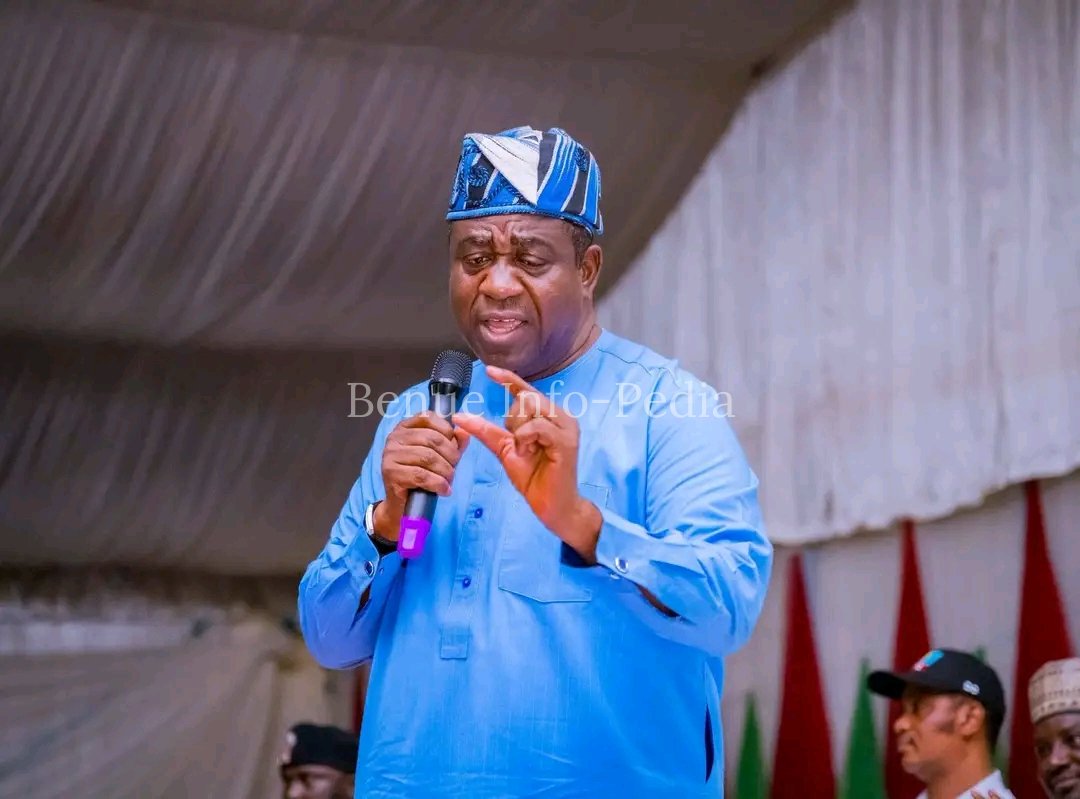
By Daniel Aondoaseer Zendesha
Former Benue State Governor Gabriel Suswam has thrown his weight behind Governor Hyacinth Alia’s re-election bid in 2027 while proposing that the Kwande Intermediate Area should produce the state’s governor in 2031.
Suswam made the declaration during a town hall meeting in Adikpo, headquarters of Kwande Local Government Area, as part of Governor Alia’s statewide thank-you tour of federal constituencies.
The former governor said Alia should be allowed to complete two terms in office, arguing that a single four-year tenure would not be sufficient for the governor to consolidate what he described as his administration’s ongoing transformation of the state.
Suswam, who governed Benue from 2007 to 2015, also urged people in the Kwande area not to challenge Alia for the governorship in 2027, but to support his re-election and wait until 2031.
“We should allow Jechira intermediate area in zone A through Governor Hyacinth Alia to complete its two terms. Kwande intermediate area should not contest against Alia in 2027 and in 2031 it will be the turn of Kwande to produce governor,” Suswam said.
He added that Alia had “performed beyond doubt” and should be re-elected.
The proposal places Kwande at the centre of Suswam’s preferred succession arrangement within Benue North-East, which comprises seven local government areas, including Kwande, Ushongo and Vandeikya.
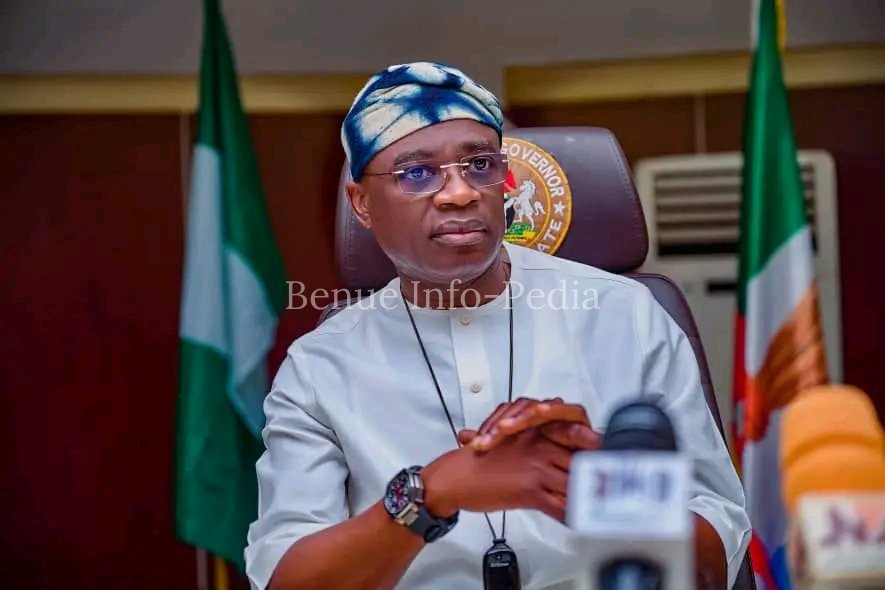
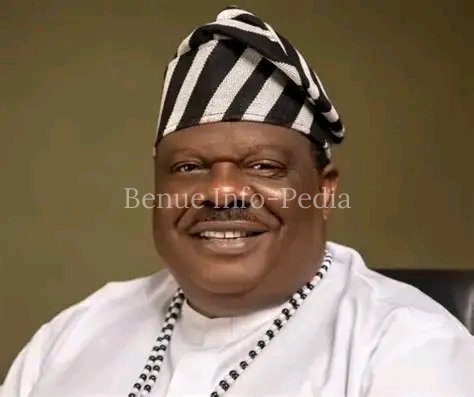
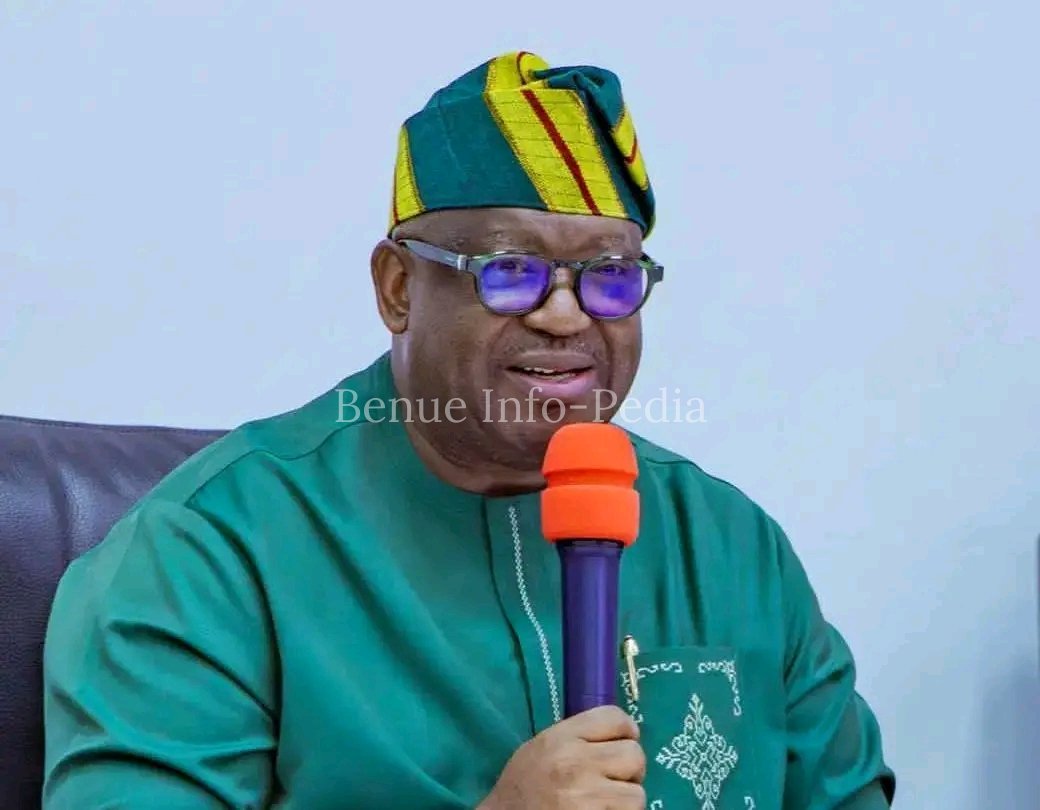
Governor Alia is from Vandeikya Local Government Area, while Peoples Democratic Party governorship candidate Michael Aondoakaa, SAN, is from Ushongo Local Government Area, also within Benue North-East. Aondoakaa's political profile identifies Ushongo as his home local government.
Suswam justified his call for Alia’s second term by referring to the history of elected governors receiving opportunities for second terms.
“The first executive governor of Benue State, Aper Aku, was re-elected for a second term, but a military coup truncated the administration, and from George Akume in 1999 to Gabriel Suswam to Samuel Ortom, Benue people re-elected us for second terms,” he said.
However, the historical reference requires some qualification. Reverend Father Moses Adasu was elected governor in 1991 and served from 1992 until the November 1993 military coup ended the Third Republic. He therefore did not complete a second term. A Court of Appeal judgment also records that Adasu won the 1991 governorship election.
Suswam’s position is politically significant because it comes against the backdrop of a longstanding campaign by stakeholders in Benue South, popularly known as Zone C, for the governorship to move to the senatorial district.
Benue South has never produced an elected governor since the creation of the state in 1976, a fact that has repeatedly featured in calls for power rotation. Previous campaigns by political leaders and groups in the zone have argued that governorship should rotate among the state’s three senatorial districts.
Suswam’s proposed arrangement would therefore keep the governorship within Benue North-East for another electoral cycle after Alia’s possible eight-year tenure, with Kwande succeeding the Jechira axis in 2031.
The declaration does not, by itself, establish a binding zoning arrangement for the 2031 election. Rather, it represents Suswam’s political position on how succession should be handled.
It is also likely to renew debate over whether political zoning should be based on senatorial districts, intermediate areas, political agreements or the freedom of political parties and voters to choose candidates.
The issue could become more prominent as political consultations ahead of the 2027 governorship election intensify.
It remains unclear whether Suswam’s proposal represents a broader agreement among political leaders or stakeholders in Benue, particularly those from Benue South.
It is also unclear how the proposal will be received by political parties, aspirants and groups advocating for power rotation to Zone C.
For now, Suswam’s statement is best understood as a political position that has reopened an important question in Benue politics: who should produce the governor after the 2027 election?
Benue 2031: Suswam Says Kwande Should Succeed Alia, Puts Zone C Agitation in Focus
Former Benue Governor Gabriel Suswam has backed Governor Hyacinth Alia for re-election in 2027 and said the Kwande Intermediate Area should produce the state’s governor in 2031, a position likely to renew debate over Benue South’s long-running power-shift campaign.
Comments
Join the Discussion
No comments yet. Be the first to share your thoughts!
Sign in to join the conversation.