

By Paul Aondoakaa, Makurdi
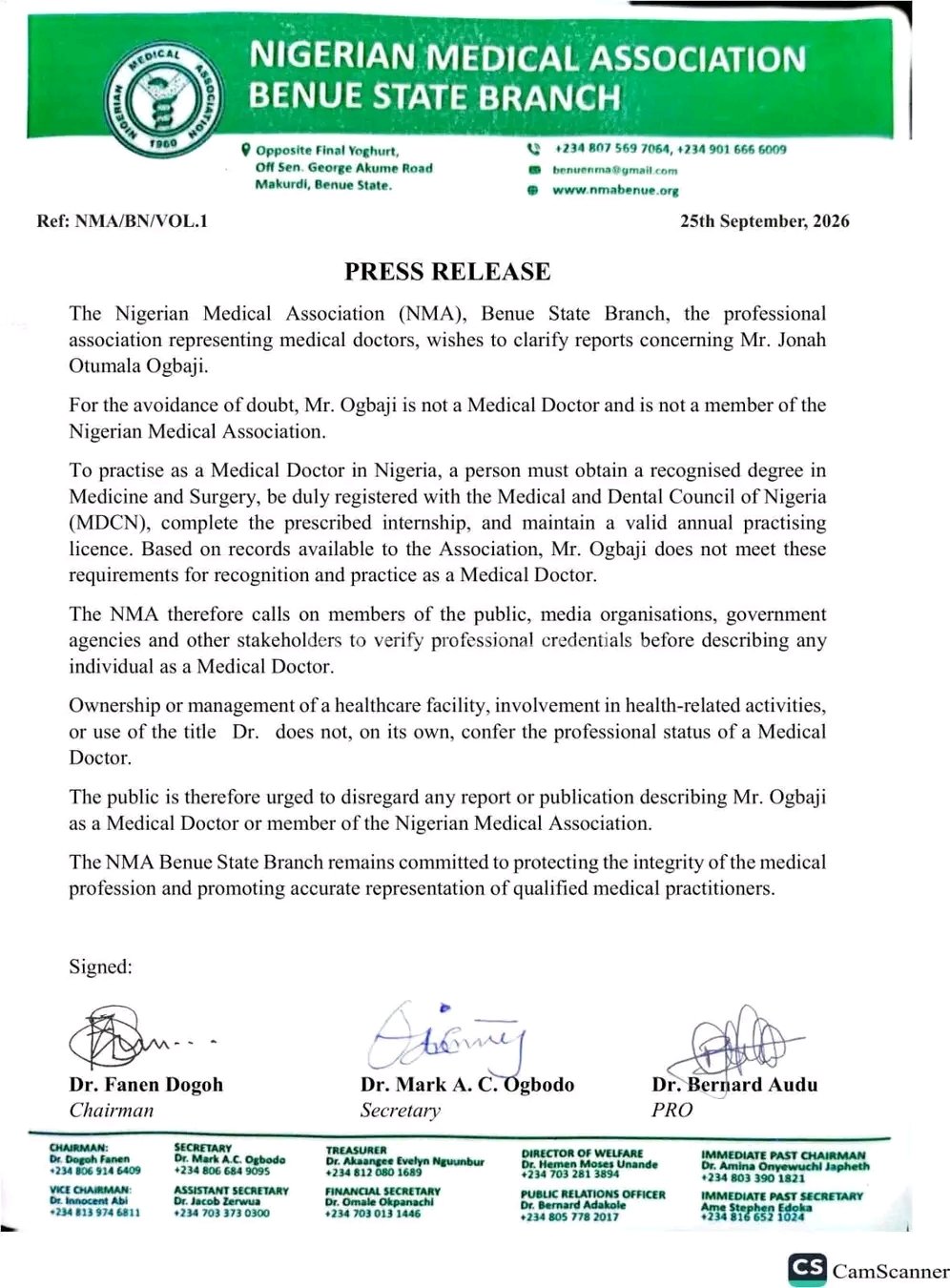
Benue State has recorded a renewed Lassa fever case involving a senior medical doctor, leading to his death and a reset of the state’s outbreak-free monitoring timeline. The Commissioner for Health confirmed the development, noting that the state had been close to completing a 42-day surveillance period before the fresh case emerged.
Health authorities in Benue State have confirmed the death of a senior medical doctor following complications linked to Lassa fever, marking a significant setback in the state’s ongoing public health containment efforts.
The deceased, who worked with the AIDS Prevention Initiative in Nigeria (APIN) in Konshisha Local Government Area, reportedly battled an undiagnosed illness for over two weeks before laboratory testing confirmed Lassa fever infection.
According to the Commissioner for Health and Human Services, Dr Paul Ejeh-Ogwuche, the patient initially sought home-based treatment despite early suspicion of Lassa fever, before later testing positive when symptoms worsened. Health officials added that underlying kidney complications were also discovered during treatment.
He was later referred to the University of Jos Teaching Hospital (University of Jos Teaching Hospital), where he eventually died. His remains were returned to Benue and buried under safe burial protocols recommended by the Nigeria Centre for Disease Control and Prevention (Nigeria Centre for Disease Control and Prevention), in line with national infectious disease safety standards.
The case has renewed concern within the state’s health system, particularly because Benue was nearing the end of a 42-day post-outbreak monitoring cycle—a key benchmark used to declare a state free from active transmission.
Officials confirmed that the new infection has effectively reset the surveillance countdown, requiring renewed observation, contact tracing, and heightened community monitoring.
The patient, who hailed from Kwande Local Government Area and worked in Konshisha, is being described by health authorities as a critical reminder of delayed presentation risks and the challenges of early detection in Lassa fever management.
Health teams have since intensified surveillance efforts across affected communities as authorities move to prevent further transmission.
Benue Doctor D!es of Suspected Lassa Fever, Resetting State’s Outbreak-Free Countdown
A senior doctor with APIN in Konshisha LGA has died from Lassa fever complications, according to health authorities, forcing Benue to restart its outbreak monitoring cycle just as it neared elimination status.


Comments
Join the Discussion
No comments yet. Be the first to share your thoughts!
Sign in to join the conversation.