
By Daniel Aondoaseer Zendesha
What if some of the organic waste thrown away every day could be used to produce cooking energy?
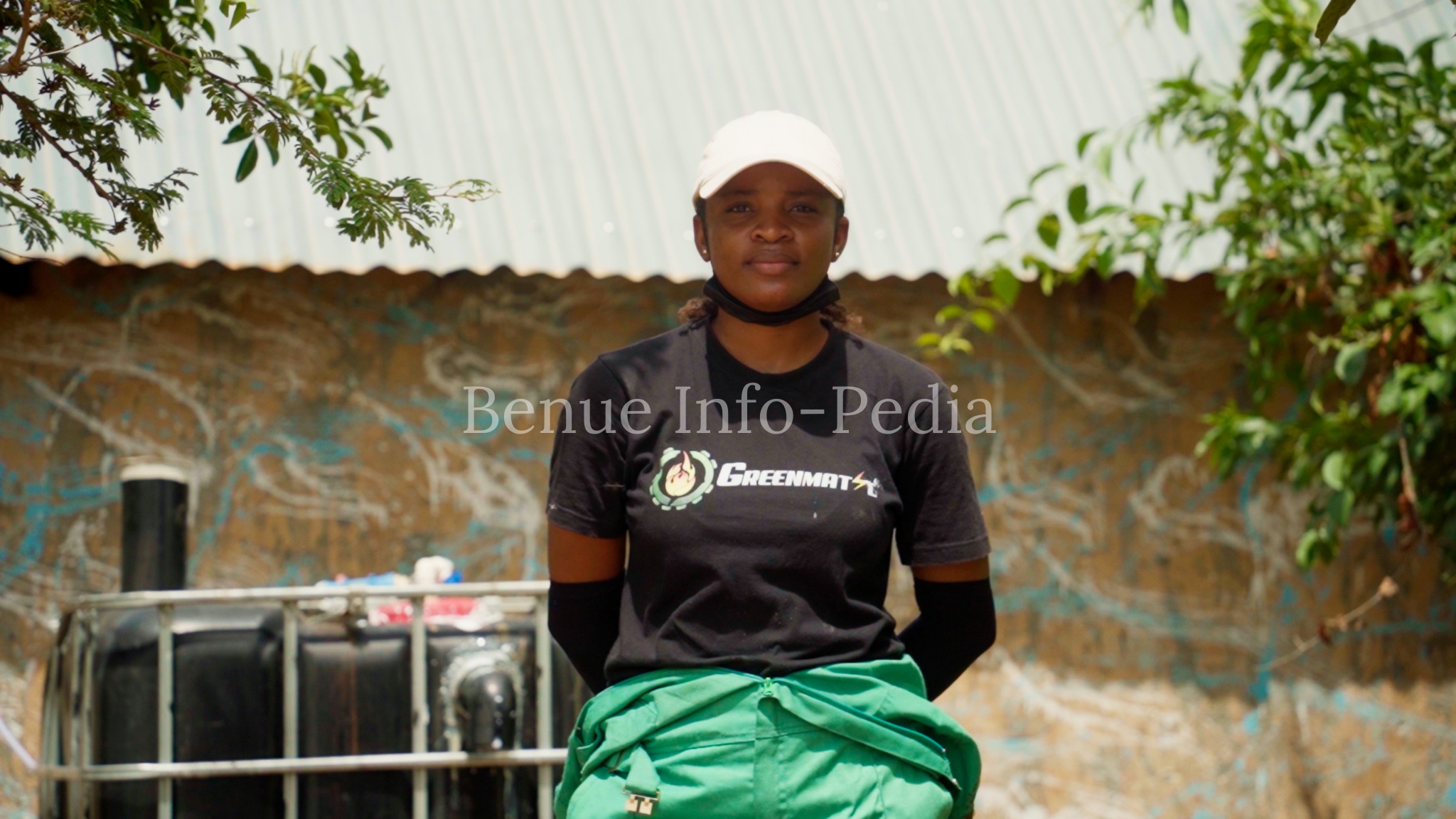
For Mercy Msenhemba Atsuku, that question is at the heart of her work promoting biogas and cleaner cooking alternatives.
Growing up in Logo Local Government Area of Benue State, Atsuku experienced the challenges of firewood dependence firsthand. Her search for alternatives eventually led her into biogas technology, which she first began working with at Baban Wondo in Plateau State.
Biogas is produced when organic materials are broken down inside a biodigester in an oxygen-free environment. The process produces a gas that can be used as an energy source, while the remaining material can have agricultural applications.
For Atsuku, the technology offers an opportunity to look at organic waste differently.
Instead of treating materials such as animal waste and other organic matter simply as rubbish, they can potentially become inputs in a system that produces energy and useful agricultural by-products.
From waste to cooking energy
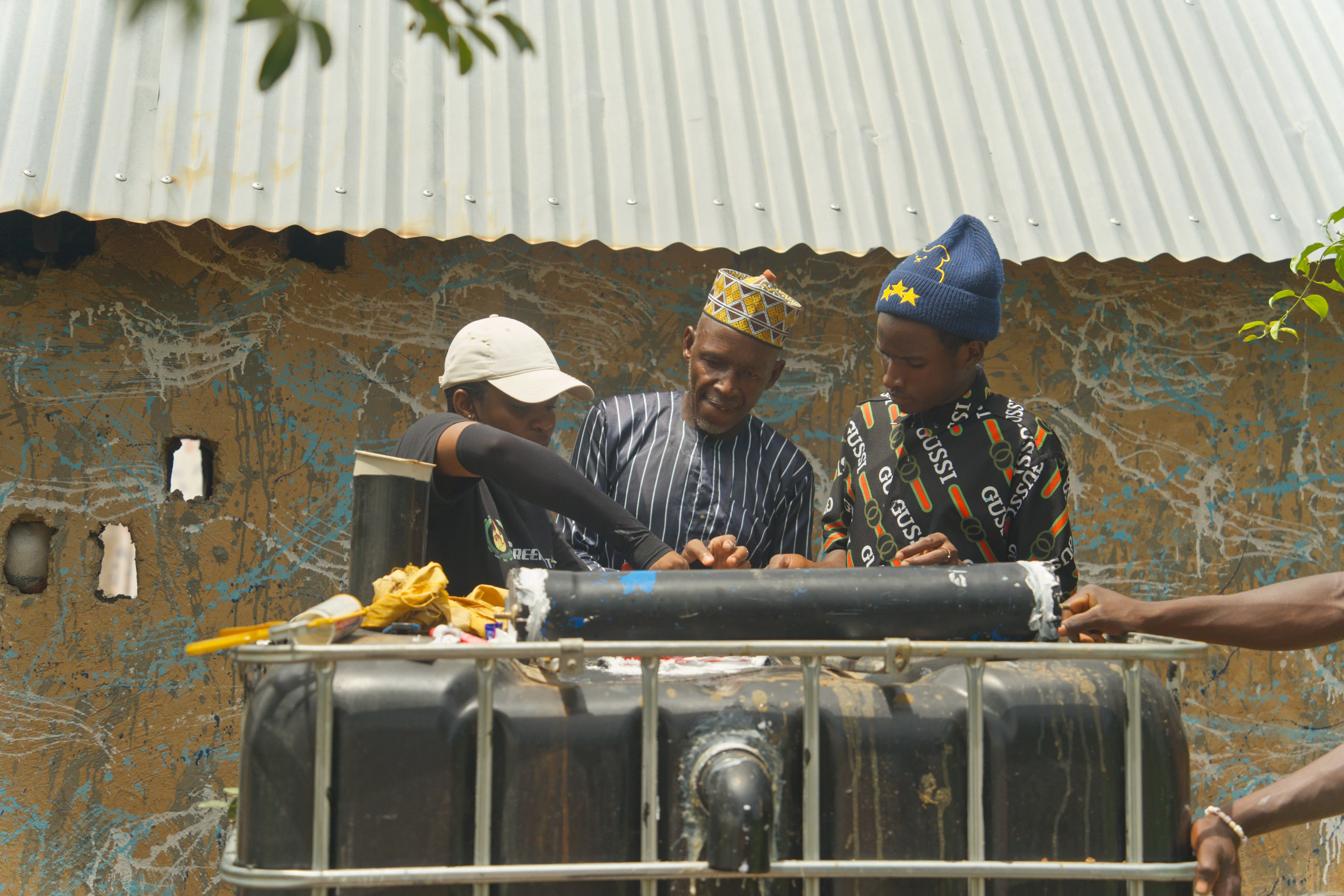
Atsuku says her team at Green Matic fabricates biodigesters designed to convert organic waste into biogas for cooking.
The idea connects three important areas: waste management, clean cooking and agriculture.
For households and communities that rely heavily on firewood, alternative cooking technologies could potentially help reduce dependence on traditional fuels. However, adoption also depends on factors such as cost, availability, technical knowledge, maintenance and suitability for individual communities.
That is why Atsuku's work goes beyond building biodigesters.
She is also advocating for greater awareness and skills development, particularly among women and young people.
A technology with a wider purpose
Atsuku's vision is to see more people understand the possibilities of biogas and other clean-cooking technologies.
Through the Samuel Aondoaver Yamsa Green Future Initiative, she says she is working towards supporting vulnerable communities with biogas systems and creating opportunities for women to learn how to fabricate and maintain biodigesters.
Her approach reflects a broader idea: solving an environmental problem can also create opportunities for innovation, skills development and agriculture.
But turning that potential into widespread community use will require more than individual innovation.
It will require awareness, investment, technical support, appropriate policies and community participation.
Why the conversation matters
Nigeria continues to face challenges around access to clean cooking energy, while organic waste remains a major issue for many communities.
For Benue, where agriculture is central to the economy and rural life, the conversation around organic waste, energy and fertilizer has particular relevance.
Atsuku's documentary brings these issues together, using her personal journey to introduce viewers to the possibilities of biogas.
The 20-minute, 14-second documentary, shot by Visionary Legacies Charity Foundation, explores biogas, clean cooking and the conversion of organic waste into clean energy and fertilizer.
Its intended audience includes government officials, policymakers, communities, women, young people and the general public.
Ultimately, the question is not whether biogas alone can solve every clean-cooking challenge.
The more important question is:
Can technologies like biogas become part of a broader, practical clean-energy strategy for Nigerian communities?
For Mercy Atsuku, the journey begins with changing how people see what they already have around them.
Sometimes, what looks like waste may also be an opportunity.
🎥 Watch the full documentary
https://youtu.be/3mIXXv5xLcU?si=62tj-WtS5LDg82ds
📖 Read the previous Day 2 story
https://benueinfo.com/article/the-hidden-cost-of-firewood-why-mercy-atsuku-is-searching-for-cleaner-cooking-solutions?utm_source=copy_link&utm_medium=social&utm_campaign=article_share
Benue Info-pedia presents personal experiences and claims in this feature as attributed to Mercy Atsuku. Technical claims about biogas are presented as general explanatory information and should not be interpreted as a guarantee that the technology is suitable or affordable for every household or community.
Biogas Explained: How Mercy Atsuku Is Turning Organic Waste Into Clean Cooking Energy
Mercy Atsuku’s biogas journey explores how organic waste can be converted into cooking energy and useful agricultural by-products, while opening a wider conversation about clean cooking and sustainable energy in Nigerian communities.

Comments
Join the Discussion
No comments yet. Be the first to share your thoughts!
Sign in to join the conversation.