
By Daniel Aondoaseer Zendesha
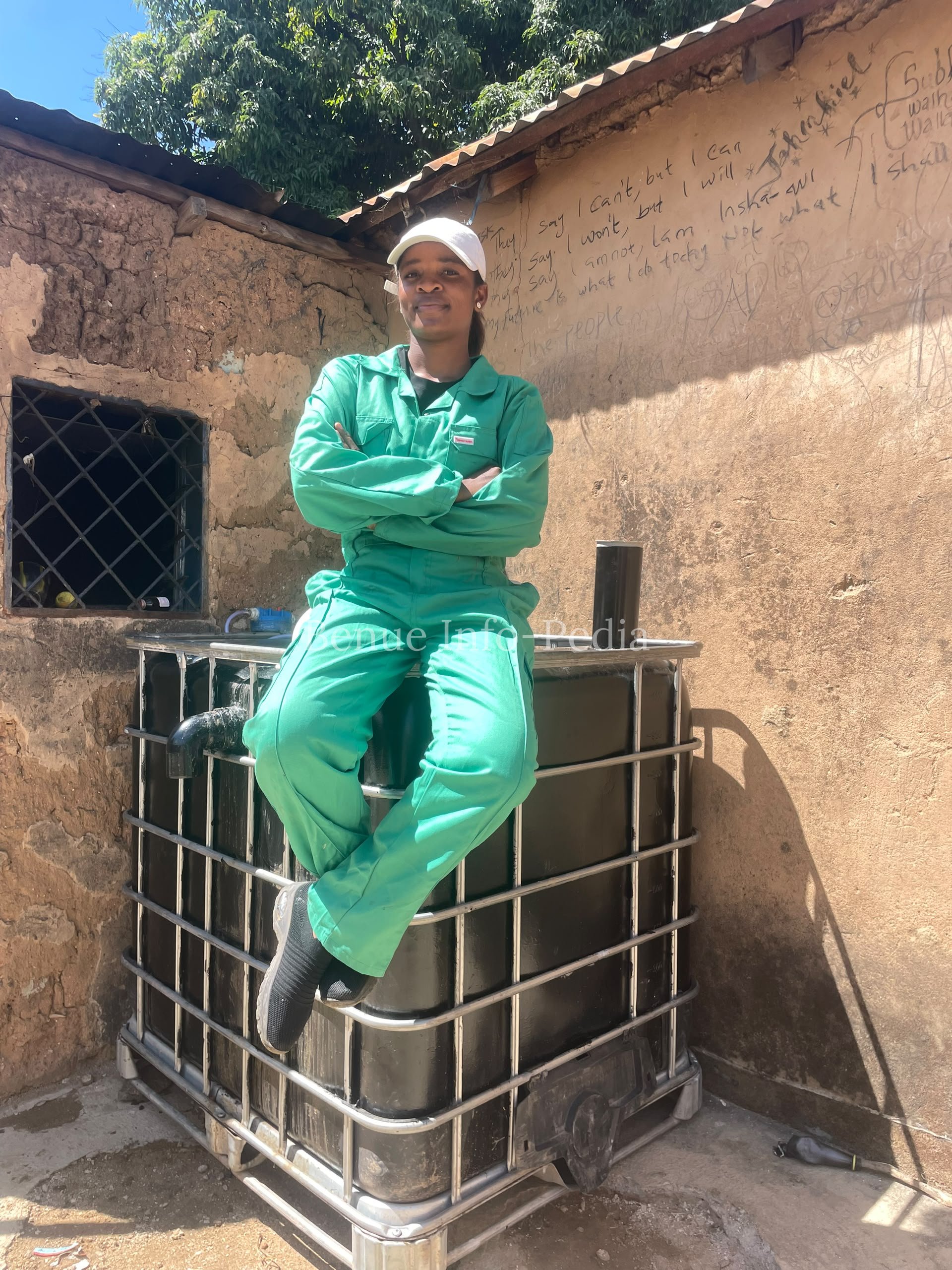
Growing up in a village in Logo Local Government Area of Benue State, Mercy Msenhemba Atsuku experienced the burden of firewood collection firsthand.
She says she walked long distances to gather firewood for cooking and recalls the difficulties and safety concerns that girls could face during such journeys, including the risk of harassment and abuse.
Atsuku also says she experienced severe respiratory problems while growing up, while her mother suffered eye problems which she associates with prolonged exposure to firewood smoke.
Those experiences eventually led her to ask a question that would change the direction of her life:
“What can I actually do to solve this problem?”
Rather than simply accepting the situation, Atsuku began searching for alternative cooking-energy solutions.
After completing the National Youth Service Corps programme, she says she turned down a bank job and another opportunity with an NGO. She instead began researching clean-energy alternatives.
Her interest in biogas grew after she came across a video demonstrating the technology in India.
She began experimenting, developing prototypes and learning through trial and error.
Her practical journey with the technology later took her to Baban Wondo in Plateau State, where she first started working with biogas technology.
From doubt to innovation
Atsuku entered a field she describes as largely dominated by men. She says she was the first female biogas student in her school.
The journey came with moments of doubt.
She recalls friends questioning whether cow dung could actually be converted into gas and used for cooking.
She continued experimenting.
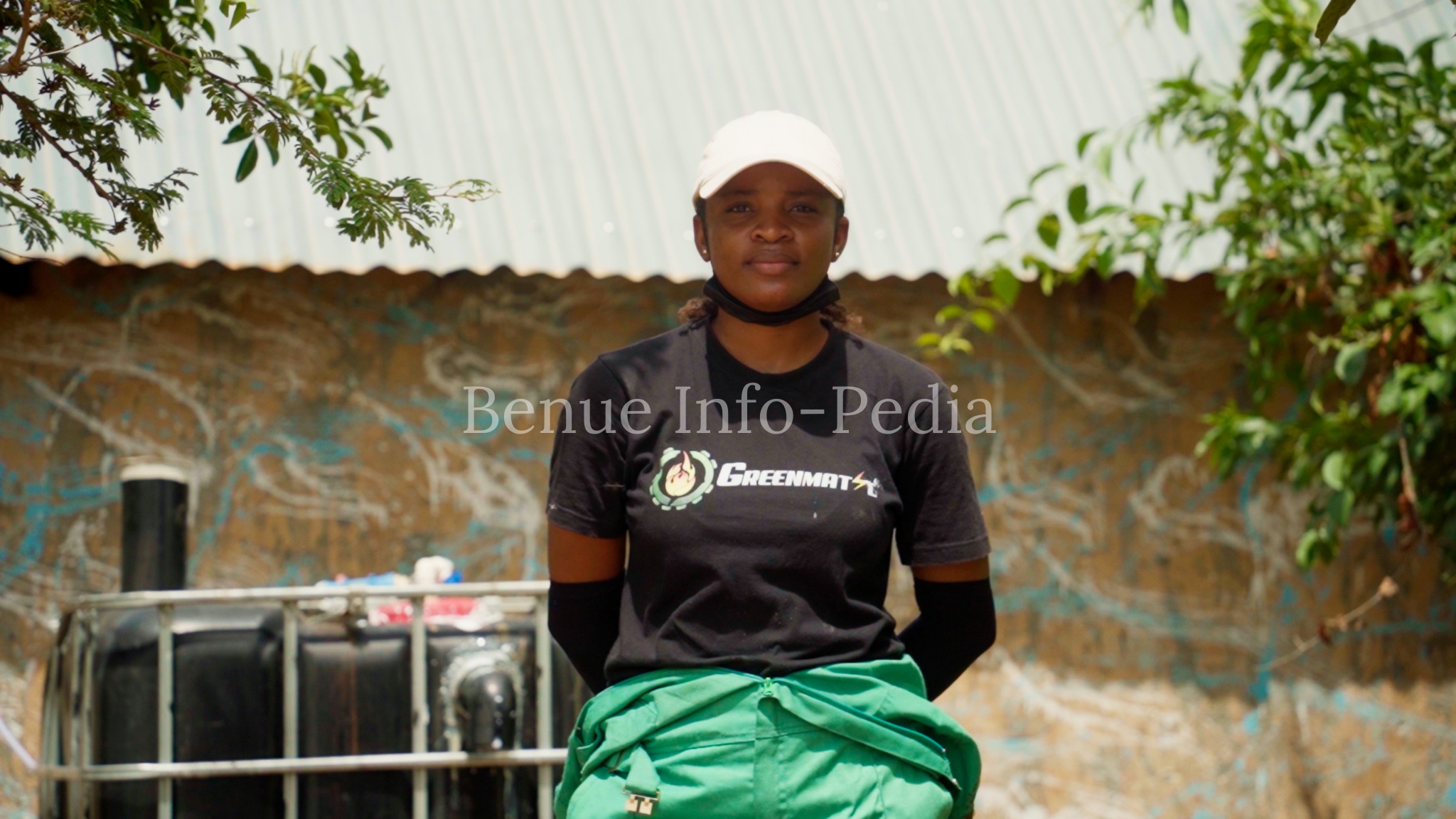
Today, Atsuku is the CEO of Green Matic and founder of the Samuel Aondoaver Yamsa Green Future Initiative.
She says her team fabricates biodigesters designed to convert organic waste into biogas for cooking. She also says the process produces material that can be used as fertilizer.
Her ambition extends beyond producing the technology.
Atsuku wants to train more women to fabricate and maintain biodigesters, manage organic waste and explore other clean-cooking alternatives.
Through her initiative, she is also working towards donating biogas systems to vulnerable communities and communities with limited access to clean cooking energy.
Taking the story beyond technology
Atsuku's journey is now captured in a 20-minute, 14-second documentary exploring biogas, clean cooking and the conversion of organic waste into clean energy and fertilizer.
The documentary highlights the challenges associated with firewood dependence while introducing viewers to potential clean-energy alternatives.
Its intended audience includes the Benue State Government, policymakers, communities, women, young people and the general public.
For Atsuku, the documentary is more than a film about technology. It is an attempt to start a wider conversation about clean cooking, waste management, sustainable energy and community-driven innovation.
The documentary was shot by Visionary Legacies Charity Foundation.
A question for Benue
Atsuku's journey raises a broader question for Benue:
Can homegrown innovations such as biogas become part of the state's clean-energy future?
For communities where firewood remains an important cooking fuel, the issue extends beyond energy. It also touches on livelihoods, waste management, agriculture, environmental sustainability and access to cleaner cooking options.
Atsuku believes people should not allow their circumstances to define them.
“Every problem has a solution.”
Her journey started with firewood in Logo LGA, Benue State.
Her practical work with biogas began at Baban Wondo in Plateau State.
Today, she is using her experience, innovation and documentary storytelling to encourage communities to look at waste differently.
Nothing wasted.
Not the waste. Not the opportunity.
🎥 Watch the Documentary
Mercy Atsuku's full documentary on biogas, clean cooking and organic waste-to-energy:https://drive.google.com/file/d/1u1CiRXnWthxIAAXUBy-wZ7pYMFCfjota/view?usp=drivesdk
Production: Visionary Legacies Charity Foundation

Comments
Join the Discussion
No comments yet. Be the first to share your thoughts!
Sign in to join the conversation.